Best CBD Oils Benefits, Uses & Top-Rated Brands Reviewed
Paul JamesUpdated on June 5, 2026
Affiliate Disclosure
Some links are specifically formatted for which we may receive a commission on resulting sales or clicks from affiliate partners (“Affiliate Links”).
Evidence Based 13 references
Checked for Accuracy
The best CBD oils share a few non-negotiable traits: clean extraction methods, verified third-party lab results, clearly labeled potency, and a hemp source you can trace. Everything else (flavor, price, extract type) comes down to personal fit. We’ve tested dozens of products across all of those variables, so you don’t have to start from scratch.
CBD oils and tinctures remain the most practical format in the market. They’re fast-acting, easy to dose, and flexible enough to work for a wide range of goals, whether you’re managing daily stress, dealing with inflammation, supporting sleep, or looking for something to take the edge off chronic discomfort. The challenge isn’t finding a CBD oil; it’s knowing which ones are actually worth your money.
That’s what this guide is for. Every brand here earned its spot based on what we found in the bottle, not who paid for placement.
What is CBD Oil?
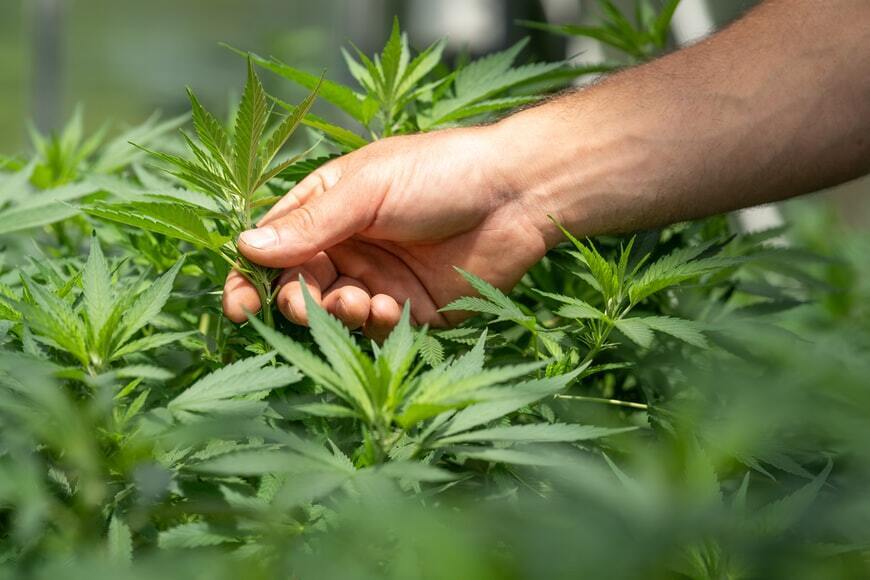
CBD (short for cannabidiol) is a naturally occurring compound found in the hemp plant. Hemp contains high concentrations of CBD and only trace amounts of THC, which is why it’s the primary source for most CBD products on the market. Unlike tetrahydrocannabinol (THC), CBD doesn’t produce a psychoactive effect, meaning it won’t get you high.
Current research suggests CBD may support pain management, anxiety reduction, and inflammation relief, though more studies are needed before definitive medical claims can be made. ¹
CBD oil is made by combining hemp extract with a carrier oil, typically MCT coconut oil or hemp seed oil. The extract itself comes in one of three forms:
Full-Spectrum – Contains all of hemp’s naturally occurring cannabinoids and terpenes, including trace amounts of THC. This supports the “entourage effect,” where the compounds work better together than in isolation.
Broad-Spectrum – Includes the same range of cannabinoids and terpenes as full-spectrum, minus the THC. A solid middle-ground option if you want plant synergy without any THC exposure.
CBD Isolate – Pure CBD, nothing else. No other cannabinoids, no terpenes, no THC. Best for people who want a precise, stripped-down dose.
CBD oil is one of the most practical delivery methods available. It absorbs efficiently, doses easily, and fits into most daily routines without much adjustment.
Top 10 Best CBD Oils Reviewed
OUR TOP PICK
CBDfx
Specifications
Extract Type
Type of extract, dependent on the cannabis plant component present in the product.
Full-spectrum
Total CBD Range
The CBD amount available for a product option.
1000mg - 6000mg
Potency Range
Potency of the product, can also be called "strength".
33.33mg - 200mg per mL
Price Range
Price range of applicable products.
$69.99 - $179.99
Value ($/mg)
Cost of CBD per milligram in dollars, used to calculate product value.
$0.03 - $0.07 per mg
THC Content
Amount of THC that is present in the product.
<0.3%
Lab Report
The verified reports of a product's test results.
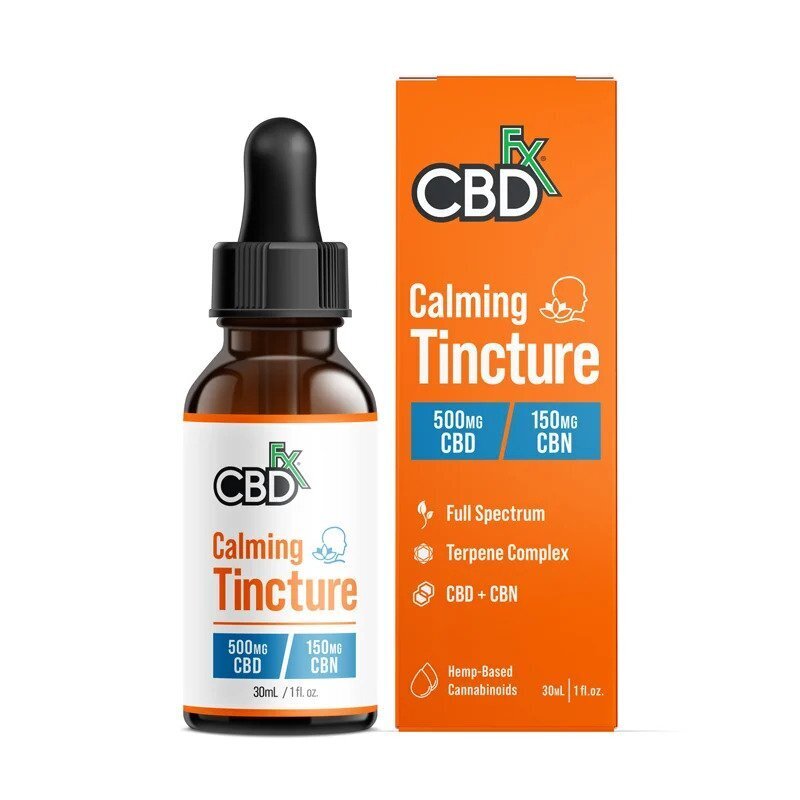
CBDfx keeps things simple, and honestly, that’s part of the appeal. Their standard full-spectrum tinctures come in three strengths (500mg, 1000mg, and 1500mg), so if you’re newer to CBD oil or just want a straightforward dropper without overthinking it, this lineup delivers.
The one thing we’d flag upfront: there’s no flavor variety. Every standard tincture comes in a single natural hemp flavor, and it leans earthy. Most people adapt, but if you’re already put off by that grassy, botanical taste, it’s worth knowing before you buy.
Where CBDfx gets more interesting is their CBD + CBG tincture. Some formulations go up to 4000mg, and this isn’t just a higher-dose version of the same thing. Pairing CBD with CBG (cannabigerol) changes what you’re working with.
CBG is a minor cannabinoid that early research and user feedback suggest may support mood balance, reduce inflammation, and contribute to general wellness. That combined effect is why we’d point anyone using a tincture specifically for pain toward this option, and why it tends to show up on lists for the best CBD oil for pain.
If you want a no-fuss full-spectrum oil or a serious high-potency tincture, CBDfx handles both without needing to shop around.
BEST FORMULAS
CBDistillery
Specifications
Extract Type
Type of extract, dependent on the cannabis plant component present in the product.
Full-spectrum, Broad-spectrum, and Isolate
Total CBD Range
The CBD amount available for a product option.
500mg - 5,000mg
Potency Range
Potency of the product, can also be called "strength".
15mg - 166.66mg per serving
Price Range
Price range of applicable products.
$35.00 - $240.00
Value ($/mg)
Cost of CBD per milligram in dollars, used to calculate product value.
$0.05 - $0.07 per mg
THC Content
Amount of THC that is present in the product.
<0.3% (full-spectrum) or 0.0% (broad-spectrum and isolate)
Lab Report
The verified reports of a product's test results.
Offers tinctures that incorporate CBG, CBN, and CBDa
Available in all three extraction types
60-day money-back guarantee
Cons
No flavor variations
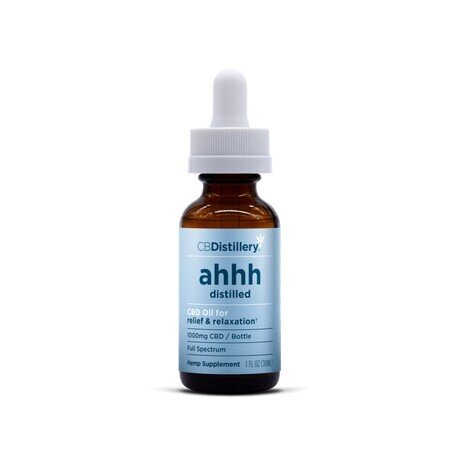
CBDistillery might have the widest tincture selection I’ve come across. They cover all three extract types (full-spectrum, broad-spectrum, and isolate) and offer multiple potency levels across each. That’s not just variety for variety’s sake. It means you can actually match the product to what you need rather than settling for whatever’s available.
What we find most useful is how their specialty blends target specific goals:
CBD + CBN oil – CBN (cannabinol) is known for its calming properties, so this blend is worth considering if sleep or nighttime recovery is your main concern.
CBD + CBG oil – CBG (cannabigerol) is better suited for daytime use, with early research pointing to potential benefits for inflammation and overall body balance.
Most brands in this space offer one or two tinctures and call it a day. CBDistillery gives you enough control to start broad and get more specific as you learn what works for your body.
If you’ve tried a generic CBD oil and felt like it didn’t quite fit, CBDistillery is usually where we’d point you next.
BEST FULL-SPECTRUM
NuLeaf Naturals
Specifications
Extract Type
Type of extract, dependent on the cannabis plant component present in the product.
Full-spectrum
Total CBD Range
The CBD amount available for a product option.
300mg - 6000mg
Potency Range
Potency of the product, can also be called "strength".
30mg per serving
Price Range
Price range of applicable products.
$24.00 - $124.70
Value ($/mg)
Cost of CBD per milligram in dollars, used to calculate product value.
$0.02 - $0.08 per mg
THC Content
Amount of THC that is present in the product.
<0.3%
Lab Report
The verified reports of a product's test results.
Offers a CBD Oil Discount Program tinctures in bundle pack to help you save
Free 2-3-day shipping within the U.S.
Cons
Only 1 flavor and potency variation
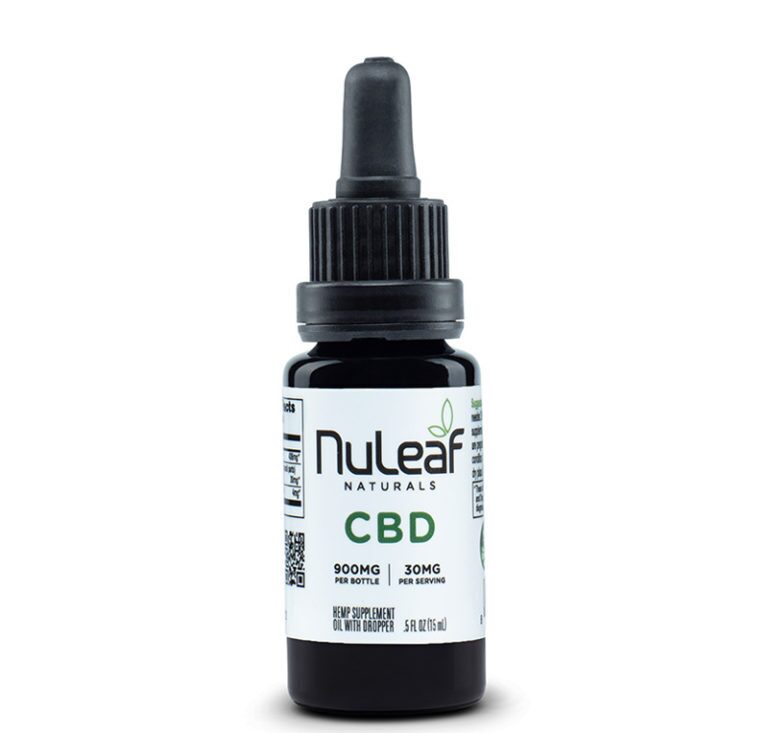
NuLeaf Naturals does one thing and does it well. Rather than spreading across dozens of product types, they’ve put nearly all their focus into full-spectrum CBD oil, and it shows. Every bottle we tried was clean, consistent, and reliably high quality.
The lineup works differently from most brands. There’s no choice of potency or flavor, just one well-crafted formula across five bottle sizes: 5mL, 15mL, 30mL, 50mL, and 100mL. You can also grab 2-packs and 3-packs, which brings the per-milligram cost down meaningfully if you already know this formula works for you. We found that approach makes the most sense for anyone ready to commit without overpaying.
After testing it ourselves, we understand why NuLeaf Naturals has earned over 20,000 positive reviews on its site. And why it regularly lands on shortlists for the best CBD oil on the market.
The one limitation worth knowing upfront: every bottle delivers the same fixed 30mg serving. That’s a solid middle-ground dose for most people, but if you’re just starting out and want something lighter, or you’re an experienced user looking to go higher, you won’t find that flexibility here.
BEST SLEEP FORMULA
Elixinol
Specifications
Extract Type
Type of extract, dependent on the cannabis plant component present in the product.
Full-spectrum, Broad-spectrum
Total CBD Range
The CBD amount available for a product option.
500mg - 5000mg
Potency Range
Potency of the product, can also be called "strength".
16.66mg - 83mg per serving
Price Range
Price range of applicable products.
$39.99 - $149.99
Value ($/mg)
Cost of CBD per milligram in dollars, used to calculate product value.
$0.03 - $0.08 per mg
THC Content
Amount of THC that is present in the product.
<0.3% (full-spectrum) or 0.0% (broad-spectrum)
Lab Report
The verified reports of a product's test results.
Developed in two formulations for daytime or nighttime use
Cons
Free shipping only available on orders of $50 or more
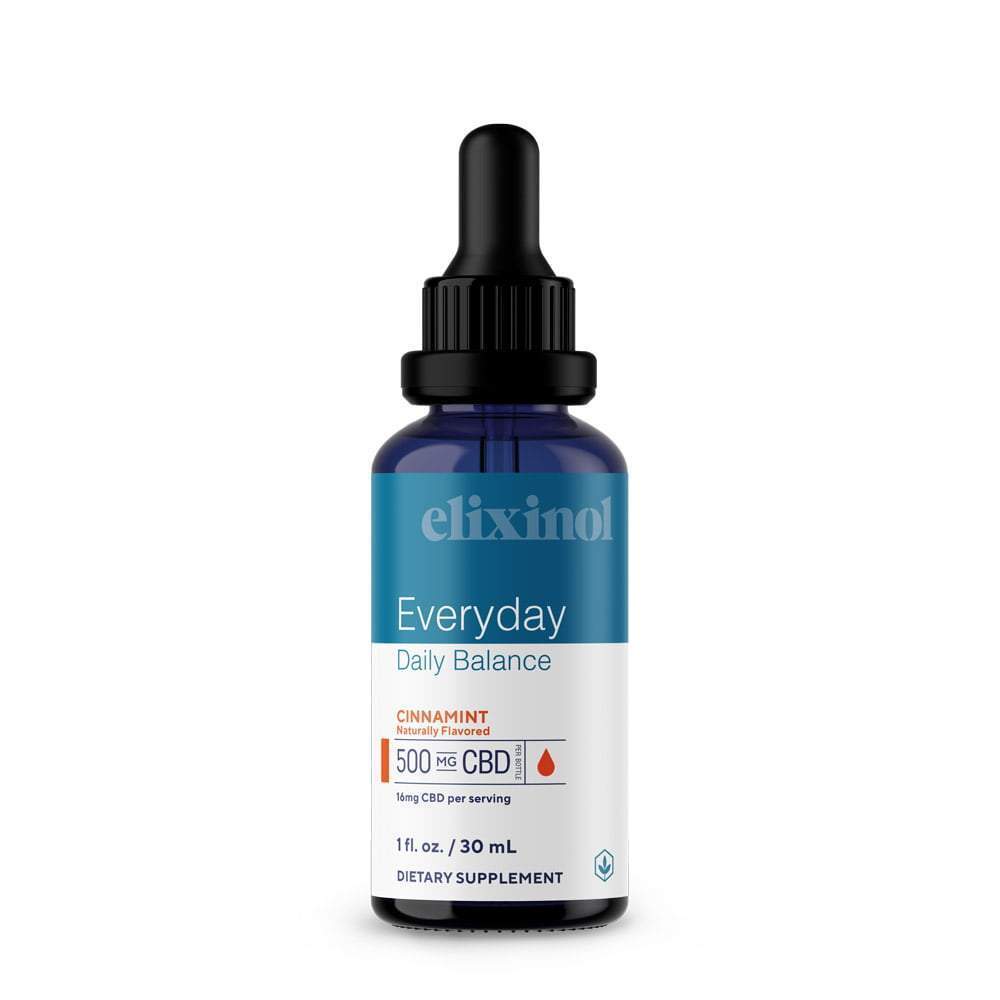
What sets Elixinol apart is how clearly they’ve thought about when you’re taking CBD, not just why. Their lineup splits cleanly between daytime balance and nighttime wind-down, which makes choosing a lot easier than staring down a wall of generic tinctures.
Their flagship Everyday Balance CBD oil is the one we’d point most people toward first. It comes in 500mg, 1000mg, and an extra-strength 4000mg, all full-spectrum, in either Natural or Cinnamint flavor. Both taste clean without being overpowering; Cinnamint, especially, is a good call if you’re not a fan of straight hemp flavor.
If you need a THC-free CBD oil, they also offer a broad-spectrum version of this same formula that removes THC while keeping the rest of the plant compounds intact.
The Sleep Rapid Rest blend is where Elixinol surprised us. It pairs CBD with CBN, chamomile, and lemon balm, and we found the combination genuinely calming at night. It’s not just CBD with a sleepy-sounding name slapped on it. The supporting ingredients actually pull their weight, and early user feedback backs that up with reports of reduced stress and more consistent sleep.
Together, these two products give you a straightforward way to build CBD into both ends of your day without doubling up on brands or guessing which formula fits which moment.
BEST STRENGTH
FOCL
Specifications
Extract Type
Type of extract, dependent on the cannabis plant component present in the product.
Full-spectrum, Broad-spectrum
Total CBD Range
The CBD amount available for a product option.
1000mg
Potency Range
Potency of the product, can also be called "strength".
33mg per serving
Price Range
Price range of applicable products.
$49.00
Value ($/mg)
Cost of CBD per milligram in dollars, used to calculate product value.
$0.05 per mg
THC Content
Amount of THC that is present in the product.
<0.3% (full-spectrum), 0.0% (broad-spectrum)
Lab Report
The verified reports of a product's test results.
On individual product pages
Flavor Variations
Number of flavors offered by the product or brand.
5
Potency Variations
Number of potency variations offered by the product or brand.
All CBD oils are doctor-formulated and third-party tested
Can be purchased in bundle packs to help you save
Free 2-3 day shipping on all orders
Cons
Higher strengths may not be ideal for newcomers
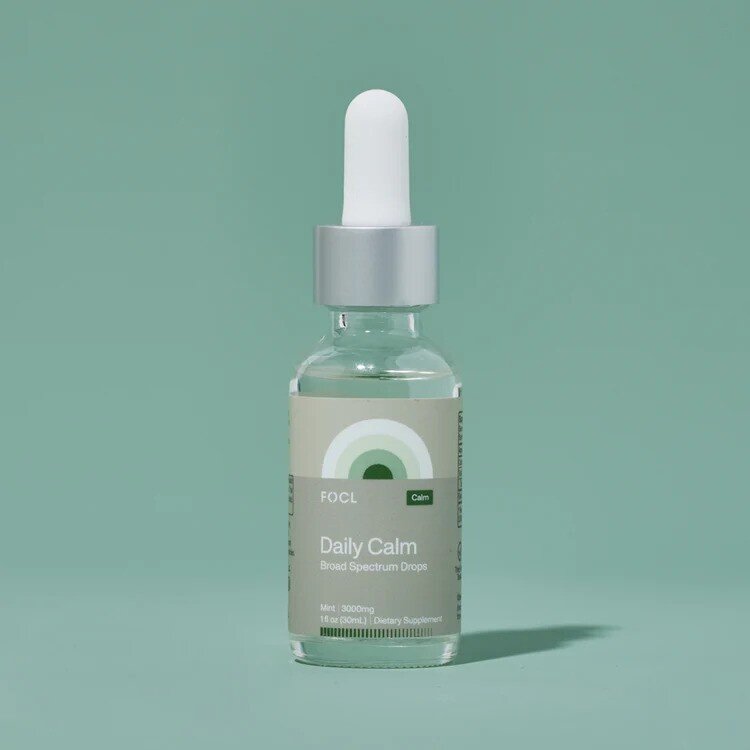
The first thing we noticed with FOCL was the pricing, and it held up under scrutiny. Their tinctures run 1000mg at roughly $0.05 per milligram, which is some of the best value we’ve seen for high-potency CBD oil. If you want strong, consistent effects without stretching your budget, FOCL is hard to argue with.
Flavor selection is another area where they outpace most of the competition. You get five options (Natural, Mint, Orange Cream, Cherry, and Strawberry Lemonade), which is a real departure from the usual hemp-or-mint binary. We found the sweeter profiles especially useful for people who’ve bounced off other tinctures purely because of taste.
FOCL also offers bundle options that let you mix and match flavors, which drops the per-bottle cost further if you’re planning to try more than one.
Their Sleep Drops are a more recent addition, and they’re worth calling out. The formula combines CBD with CBN, lavender, peppermint, and stevia, and we found it genuinely calming, not just marketing-calming. Paired with FOCL’s Night Capsules, it builds into a solid pre-bed routine for anyone whose main obstacle to sleep is stress or a mind that won’t quiet down.
For high-potency options at fair prices, real flavor variety, and a dedicated sleep formula, FOCL covers a lot of ground in one lineup.
BEST STRENGTH
FIVE CBD
Specifications
Extract Type
Type of extract, dependent on the cannabis plant component present in the product.
Full-spectrum
Total Cannabinoid Range
The amount of cannabinoids available for a product option.
1500mg
Potency Range
Potency of the product, can also be called "strength".
60mg per serving
Price Range
Price range of applicable products.
$49.99
Value ($/mg)
Cost of CBD per milligram in dollars, used to calculate product value.
$0.03 per mg
THC Content
Amount of THC that is present in the product.
<0.3%
Lab Report
The verified reports of a product's test results.
Some may not be prone to mild psychoactive effects of THC
Free shipping not available
FIVE CBD has moved in an interesting direction. Their current drops combine 2mg of hemp-derived THC with 50mg of CBD per dropper (plus additional minor cannabinoids), making them less of a traditional CBD oil and more of a daily microdose experience.
The idea is simple: add a dropper to your drink and get a gentle, functional buzz without visiting a dispensary. Thanks to the 2018 Farm Bill, hemp-derived THC is federally legal, so these ship straight to your door. However, it’s worth checking your state’s rules before ordering.
What we appreciated is that FIVE doesn’t cut corners on ingredients. No artificial flavors, no artificial colors, no GMOs. The drops are designed to taste good, which makes the daily habit a lot easier to stick to than products that feel more medicinal than enjoyable.
If you’re already comfortable with CBD and curious about adding a small, controlled amount of THC to your routine, FIVE’s drops are an accessible starting point, no dispensary required.
BEST FORMULAS
Medterra
Specifications
Extract Type
Type of extract, dependent on the cannabis plant component present in the product.
Full-spectrum, Broad-spectrum, Isolate
Total CBD Range
The CBD amount available for a product option.
500mg - 3000mg
Potency Range
Potency of the product, can also be called "strength".
40mg - 80mg per serving
Price Range
Price range of applicable products.
$39.99 - $132.99
Value ($/mg)
Cost of CBD per milligram in dollars, used to calculate product value.
$0.04 - $0.08 per mg
THC Content
Amount of THC that is present in the product.
<0.3% (full-spectrum) and 0.0% (broad-spectrum and isolate)
Lab Report
The verified reports of a product's test results.
Website and product selection can be difficult for new users to navigate
Medterra’s tincture lineup covers more ground than most. They offer both broad-spectrum and CBD isolate oils, a useful distinction if you’re avoiding THC entirely or prefer a pure CBD experience.
Flavors are consistent across the range: Citrus, Strawberry Mint, or Unflavored. All three are smooth and easy to take daily, which sounds minor until you’ve choked down something that tastes like lawn clippings.
Their CBD + CBG oil is where we’d steer most people first. Unlike the typical 2:1 CBD-to-CBG ratio you’ll see elsewhere, Medterra runs a true 1:1, equal parts CBD and CBG in every dose. We found that balance noticeably different from standard CBD oils, with a more grounded sense of calm that felt less one-dimensional.
The CBD Immune Boost tincture is worth calling out separately because it’s genuinely doing something different. Same flavor options, but the formula adds Elderberry, Vitamin C, Ginger Root, Ashwagandha, Reishi Mushroom, and Lemon Balm alongside the CBD. It’s a practical pick if you want to consolidate your supplement routine, daily CBD, and immune support in one dropper rather than a handful of separate capsules.
For anyone new to CBD oil or looking to move beyond a basic tincture, Medterra gives you real options without overcomplicating the decision.
cbdMD
Specifications
Extract Type
Type of extract, dependent on the cannabis plant component present in the product.
Full-Spectrum, Broad-spectrum
Total CBD Range
The CBD amount available for a product option.
1500mg - 6000mg
Potency Range
Potency of the product, can also be called "strength".
50mg - 200mg per mL
Price Range
Price range of applicable products.
$64.99 - $114.99
Value ($/mg)
Cost of CBD per milligram in dollars, used to calculate product value.
$0.02 - $0.04 per mg
THC Content
Amount of THC that is present in the product.
0.0%
Lab Report
The verified reports of a product's test results.
One of the lower price points for CBD oil on our list
Free 2-3 day shipping on all orders
Cons
Stronger tinctures (5,000mg and 7,500mg) have less flavor varieties
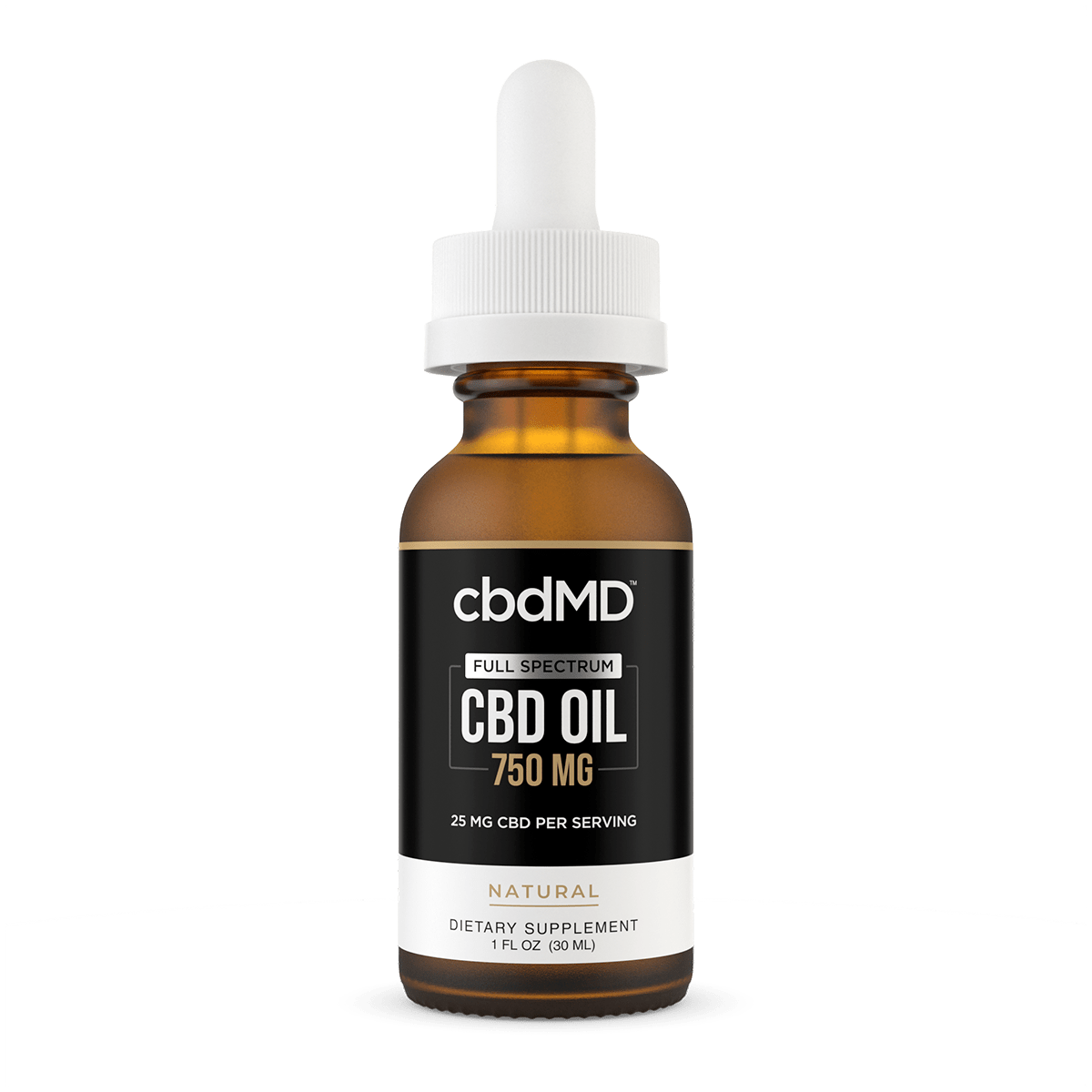
cbdMD’s biggest selling point is straightforward: you get a well-made broad-spectrum CBD oil at a price that doesn’t require a second thought. They’re priced lower than most comparable brands, but nothing about the product feels like a cut was made to get there.
All their tinctures use broad-spectrum organic hemp extract and come in Berry, Mint, Orange, and Natural flavors. We found all four smooth and easy to take, no harsh aftertaste, no adjustment period. For anyone building a daily CBD habit, that consistency matters more than people give it credit for.
The potency range is the widest we’ve come across. Standard bottles run from 300mg to 3000mg, which covers everything from a gentle daily dose to something more targeted. If you need to go higher, cbdMD also offers 5000mg and 7500mg options, though those are only available in Natural and Berry flavors. Even at mid-range strengths, we noticed real effects: genuine relaxation, easier stress management, and a steadier baseline throughout the day.
Their PM tincture deserves a specific mention. It pairs CBD with natural sleep-supporting ingredients, and based on our testing, it’s earned its place among the best CBD oils for sleep we’ve reviewed. If nighttime is when you need the most support, this is the one to look at first.
Lazarus Naturals
Specifications
Extract Type
Type of extract, dependent on the cannabis plant component present in the product.
Full-spectrum and Isolate
Total CBD Range
The CBD amount available for a product option.
1500mg - 6000mg
Potency Range
Potency of the product, can also be called "strength".
50mg per serving
Price Range
Price range of applicable products.
$40.00 - $120.00
Value ($/mg)
Cost of CBD per milligram in dollars, used to calculate product value.
$0.02 per mg
THC Content
Amount of THC that is present in the product.
<0.3% (full-spectrum) or 0.0% (isolate)
Lab Report
The verified reports of a product's test results.
Redeem code lazarusnaturals for 15% off your purchase
Pros
Offers both a full-spectrum blend and a THC-free, CBD-isolate blend
Cheapest product on our list (on a price per milligram (mg) basis)
Cons
Flavors and potencies are mixed-matched - not all flavors can be purchased in Lazarus Naturals’ variety of potencies
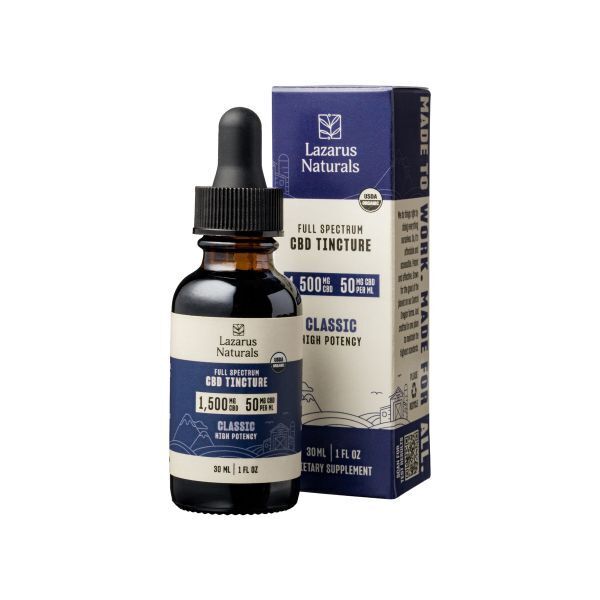
Lazarus Naturals offers both full-spectrum and CBD isolate tinctures, with potency split across two clear tiers: standard (300mg–2400mg) and high-potency (750mg–6000mg). That structure makes it easy to find your starting point and scale up without switching brands.
One thing worth knowing upfront: flavor availability is tied to potency level. Not every flavor comes in every strength, so your options narrow depending on where you land on the potency scale. That said, the flavor range itself is genuinely one of the most distinctive we’ve seen; Classic, Chocolate Mint, and Strawberry Lemonade aren’t combinations you come across often in the CBD oil space. If taste has been a barrier to sticking with a tincture, Lazarus Naturals is worth a serious look.
For anyone unsure where to start, they also offer sample packs that bundle a tincture with other CBD products. We found those particularly useful for newer users who aren’t sure yet whether a tincture is even the right format for them. It’s a low-commitment way to figure that out before buying a full bottle.
To see exactly which flavor and potency combinations are currently available, we’d suggest checking their website directly since the pairings can vary.
BEST FLAVORS
Joy Organics
Specifications
Extract Type
Type of extract, dependent on the cannabis plant component present in the product.
Full-spectrum, Broad-spectrum
Total CBD Range
The CBD amount available for a product option.
900mg - 2250mg
Potency Range
Potency of the product, can also be called "strength".
30mg - 75mg
Price Range
Price range of applicable products.
$49.95 - $89.95
Value ($/mg)
Cost of CBD per milligram in dollars, used to calculate product value.
$0.04 - $0.06 per mg
THC Content
Amount of THC that is present in the product.
<0.3% (full-spectrum) and 0.0% (broad-spectrum)
Lab Report
The verified reports of a product's test results.
USDA-certified organic across the entire lineup, one of the few brands that can say that
Minimal, recognizable ingredients with no fillers or artificial additives
90-day money-back guarantee makes it easy to try risk-free
Cons
Potency caps at 2250mg (total CBD), so high-tolerance users may find the ceiling too low
Full-spectrum and broad-spectrum flavors don't overlap, which limits options if you want a specific extract type and flavor combination
Joy Organics earns its spot on this list by keeping things genuinely simple. Their broad-spectrum tinctures come in Tranquil Mint, Orange Bliss, Summer Lemon, and Unflavored, while the full-spectrum line offers Lime, Tropical, and Unflavored. That’s solid variety across both extract types, and every option is USDA-certified organic, which isn’t something you see across an entire tincture lineup very often.
What stood out to us most is the ingredient list. The Tranquil Mint, for example, contains exactly three ingredients: organic broad-spectrum hemp extract, organic olive oil, and organic peppermint essential oil. No fillers, no artificial flavors, nothing you’d need to look up. They also use olive oil as the carrier instead of the more common MCT oil, which they note supports faster absorption, a small but thoughtful difference.
Potency comes in three tiers (900mg, 1350mg, and 2250mg per bottle) with each bottle containing 30 servings. That works out to 30mg, 45mg, or 75mg per serving, respectively, which gives newer users a clear entry point and experienced users room to scale up without jumping straight to high-potency territory.
Third-party lab results are accessible via a QR code on every bottle, and Joy Organics backs the whole lineup with a 90-day money-back guarantee. For anyone cautious about committing to a new CBD oil brand, that’s a low-risk way to find out if it works for you.
How does CBD oil work in the body?
CBD interacts with the body primarily through the endocannabinoid system (ECS), a regulatory network that helps manage mood, sleep, appetite, memory, immune response, and overall internal balance. ² Researchers are still mapping the full picture, but the ECS connection is where most of the current evidence points.
Cannabinoid Receptors – Receptors on cells throughout the body that help regulate signals related to pain, mood, and inflammation.
Endocannabinoids – Compounds your body produces naturally to support internal functions.
Enzymes – Proteins that break down endocannabinoids once they’ve completed their job.
Two receptor types matter most here:
CB1 Receptors – Located mainly in the central nervous system, tied to memory, mood, appetite, and pain signaling.
CB2 Receptors – Found in the peripheral nervous system, linked to immune function and inflammation response.
CBD shares a structural similarity with the endocannabinoids your body produces naturally, which is why it can influence the same biological pathways. What makes CBD distinct from THC is how it behaves at those receptors; it doesn’t bind strongly to CB1 or CB2. Instead, research suggests it interacts with other receptor sites, including GPR55, and may affect how your body’s own endocannabinoids bind to the ECS.
That nuanced activity is a big part of why CBD continues to attract serious research attention. And why so many people find it useful as a daily wellness tool rather than something they reach for only when something’s wrong.
Potential Benefits of the Best CBD Oils on the Market
The FDA has approved one CBD-based medication (Epidiolex, prescribed for specific seizure disorders), and that’s currently the only area where firm clinical claims can be made. For everything else, research is still developing. Dosing guidelines remain inconsistent, and individual responses vary based on factors like body weight, metabolism, and what you’re actually trying to address.
That said, millions of people use CBD oil regularly for stress, sleep, inflammation, and mood support. And the volume of ongoing research reflects that there’s a real signal worth paying attention to, even if the science isn’t fully settled yet.
How Can CBD Reduce Pain Transmission?
CBD has been studied for its potential anti-inflammatory, antioxidant, and analgesic properties, most of which connect back to how it interacts with the ECS and influences neurotransmitter activity. ³
Early findings suggest CBD may help with: ⁴ ⁵
Nerve pain
Pain linked to inflammation
Chronic conditions such as arthritis or multiple sclerosis (MS)
A 2020 review found CBD showed genuine promise for chronic pain, sleep issues, and inflammation, though the results were condition-specific. It may not respond the same way to mild or acute pain from an injury. ⁶
Can You Use CBD Oil for Anxiety?
Early research suggests CBD may support people dealing with anxiety by interacting with ECS pathways linked to fear and stress responses. ⁷ Researchers have observed potential benefits across several anxiety-related conditions:
Generalized anxiety disorder (GAD)
Post-traumatic stress disorder (PTSD)
Panic disorder
Obsessive-compulsive disorder (OCD)
Social anxiety disorder (SAD)
A 2020 study tracking 397 adults found that after three weeks of CBD use, participants reported measurable improvements in both anxiety and depression symptoms. ⁸
How Can CBD Oil Help with Seizures?
This is where the evidence is strongest. Epidiolex (the only FDA-approved CBD medication) is prescribed specifically for rare, severe forms of epilepsy. ⁹
One clinical study on people with Dravet syndrome found that 20mg/kg of Epidiolex significantly reduced seizure frequency compared to a placebo. ¹⁰ The research in this area is more developed than any other CBD application, and it’s the clearest example of what CBD can do when studied rigorously.
What is the Right CBD Oil Dosage?
There’s no universal CBDdosage standard; the FDA hasn’t approved CBD for general use, so there’s no official guideline to follow. The most practical starting point is the suggested serving size on the product label. From there, if you’re not noticing any effect after consistent use, increase slowly until you land on what works for you.
A few factors will shape your ideal dose:
Potency of the CBD oil – Higher-strength formulas are more concentrated, so you’ll typically need less per serving to get the same effect.
Body weight – Heavier individuals generally need a slightly higher dose than lighter individuals to feel the same results.
Your goals – Daily mood support usually calls for a lower, consistent dose. Sleep or discomfort may require something higher or more targeted.
The general approach we recommend: start low, track how you feel for a few days, and adjust from there. Our weight-based dosage chart can help you estimate a reasonable starting range if you’re not sure where to begin:
Body Weight
Average CBD Dose
100 lbs
30mg
125 lbs
38mg
150 lbs
45mg
175 lbs
52mg
200 lbs
60mg
225 lbs
67mg
250 lbs
75mg
How Do You Take CBD Oil?
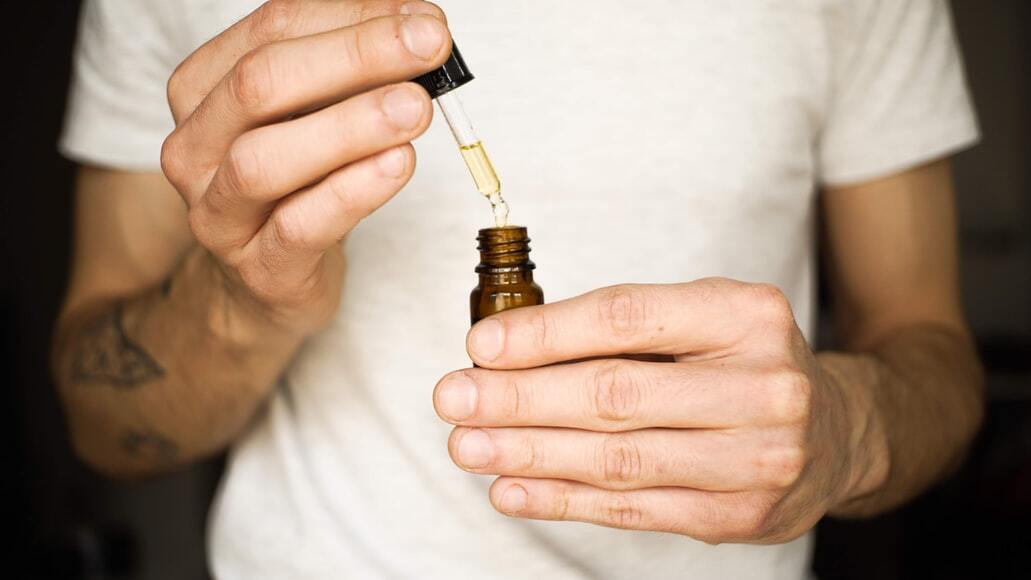
Taking CBD oil correctly makes a real difference in how well it works. The sublingual method (holding oil under your tongue before swallowing) is the most effective way to take it because it absorbs directly into your bloodstream rather than passing through your digestive system first. Here’s exactly how to do it:
Shake the bottle. Cannabinoids can settle over time, so a quick shake ensures the formula is evenly distributed before you dose.
Measure your dose. Use the dropper to pull up your target amount. Most CBD oils call for one full dropper, though some higher-potency formulas suggest starting with half.
Place the oil under your tongue. Lift your tongue slightly and dispense the oil underneath. This sublingual area absorbs CBD faster than anywhere else in the mouth.
Hold for 30 seconds. Let it sit before swallowing. This improves bioavailability and gets more CBD into your bloodstream rather than losing it through digestion.
Swallow the rest. After holding, swallow what remains. A sip of water afterward helps if the flavor is too strong.
Give it time. Some people notice effects within minutes. Others feel changes more gradually over the first few days of consistent use. Either way, give your body a fair window before adjusting your dose.
Potential Side Effects of CBD Oil
CBD is generally well-tolerated, but it’s not completely without risk. The most important thing to know upfront: if you’re taking prescription medication (especially anything metabolized by the liver), talk to your doctor before adding CBD to your routine. Cannabinoids can affect how certain medications are processed by the body, and that interaction is worth taking seriously.
For people not on medication, mild side effects are uncommon but possible: ¹¹
Most of these are mild and tend to show up when someone starts too high a dose too quickly, another reason the “start low, go slow” approach makes sense.
If you’re pregnant or breastfeeding, avoid CBD entirely. Research in this area is limited, and the FDA advises against it because the long-term effects of CBD exposure during pregnancy and lactation aren’t yet known. ¹²
Is CBD Oil Legal?
Yes. Hemp-derived CBD oil is federally legal in the United States. The 2018 Farm Bill removed hemp and its cannabinoids from the Controlled Substances Act, which is what opened the door for licensed brands to produce and sell CBD products nationwide.
That said, federal legality doesn’t tell the whole story. The FDA hasn’t approved CBD for general health use, and brands are legally prohibited from making medical claims about their products, regardless of what the research suggests.
State laws add another layer. CBD oil is technically legal in all 50 states, but individual states set their own rules around THC content, testing requirements, and labeling. Some states (Idaho and South Dakota among them) have stricter guidelines than others. Before buying, it’s worth checking your state’s current regulations to know exactly what’s permitted where you live.
In regions where cannabis is fully legalized (including Canada and several U.S. states), you’ll also find CBD oils with higher THC content. Some products offer balanced ratios like 1:1 CBD to THC for users who want a broader therapeutic profile than hemp-derived CBD alone provides.
Choosing the Best CHEAP CBD Oil: How to Differentiate Good from Bad
The FDA doesn’t regulate CBD products the way it does pharmaceuticals, which means quality control falls entirely on the brand, and on you as the buyer. Here’s what we look at when evaluating any CBD oil, regardless of price point.
Certificate of Analysis (CoA)
This is the non-negotiable. Every reputable brand submits its products to third-party laboratory testingto verify cannabinoid content and screen for contaminants like heavy metals, pesticides, and residual solvents. If a brand doesn’t make its CoAs easily accessible (ideally scannable from the product label itself), that’s a reason to move on.
Hemp Source
Quality CBD starts with quality hemp. The best products come from organically grown, domestically sourced hemp cultivated under strict agricultural standards. Brands that control production from seed to sale tend to deliver more consistent potency and purity across batches.
Ingredients
Most CBD oils have short ingredient lists: a carrier oil (MCT coconut oil or hemp seed oil are most common), hemp extract, and natural flavoring. That simplicity is a good sign. Watch for unnecessary additives, artificial ingredients, or anything that contradicts your dietary needs or allergen concerns.
Extract Type
Full-spectrum, broad-spectrum, and isolate each serve different needs. A brand worth recommending carries all three, or is at least transparent about why they’ve chosen to specialize. Knowing which extract type you want before you shop saves a lot of time.
Potency
Potency is expressed in milligrams (mg) on the label and tells you both how strong the oil is and how many cannabinoids you’re getting per serving. A trustworthy brand offers a range of potencies so beginners and experienced users alike can find an appropriate starting point.
Pricing
Higher prices often reflect better sourcing, cleaner extraction methods, and more rigorous testing, but price alone doesn’t guarantee quality. What we’d actually flag is the other end: if a CBD oil is significantly cheaper than comparable products, it’s worth asking why. Corners get cut somewhere, and it’s usually in testing or hemp quality.
Is CBD Oil Right For You?
Honestly, there’s no way to know without trying it. Most people who use CBD oil regularly report real improvements in sleep, stress, or discomfort, but a meaningful number notice little difference, especially at lower doses or with lower-quality products. That variability is just the reality of where the research currently stands.
The good news is that CBD is generally well-tolerated with minimal side effects, which makes it a reasonable option to explore if you haven’t found what you’re looking for elsewhere. The low barrier to entry (especially with brands that offer money-back guarantees) means the risk of trying it is genuinely low.
One firm exception: if you’re currently on prescription medication, talk to your doctor before starting CBD. The interaction risk is uncommon but real, and it’s not worth skipping that conversation. ¹³
People Also Ask…
Which form of CBD is most effective?
Full-spectrum CBD (especially in higher milligram strengths) is often considered the most effective due to the entourage effect. Still, how you take CBD oil plays a major role. Holding the oil under your tongue for about 30 seconds before swallowing allows more cannabidiol to absorb into your bloodstream, leading to stronger and more efficient effects.
What strength CBD oil should you buy?
For beginners, lower potencies (250mg to 1000mg total CBD) are typically a good starting point. Regular users, or those who have developed a tolerance, may benefit from higher strengths, usually 1500mg and above.
What is the downside of CBD oil?
CBD oil can cause mild side effects in some people, most commonly fatigue or drowsiness, which may interfere with daily activities. Because of this, newcomers may want to start by taking CBD oil at night to gauge how it affects them.
Additionally, CBD oil is less convenient for on-the-go use compared to gummies or capsules. Even so, it remains one of the most effective delivery methods for absorbing cannabidiol.
Paul James is a seasoned cannabis and CBD writer and expert. He is a mental health blogger who advocates CBD as a natural alternative to prescription medications. You can read more about this and other natural alternatives on his blog: https://bedlamite.co/."
Best CBD Oil FAQs
Our list above offers 15 of the top CBD companies and best CBD oil currently on the market. While we recommend you start with a company from this list, there are numerous other CBD brands you can choose from online. You can also purchase CBD oil from several physical locations, including cannabis dispensaries, tobacco shops, and even some gas/supermarkets.
Currently, the FDA only approves of a CBD-derived medication called Epidiolex for epilepsy. However, self-reports have claimed CBD has helped people with several medical conditions, including anxiety, inflammation, depression, pain, sleep, and nausea.
For most CBD oils, you’ll want to fill a dropper and place it under your tongue. Hold it there for about 30 seconds to increase absorption, then swallow.
Most products recommend taking a full dropper as a serving size. However, you can adjust your dose by taking less than that (half a dropper) or more (a dropper and a half).
CBD is very safe when compared to other all-natural supplements. However, it may have negative drug interactions with certain medications. For this reason, we recommend seniors consult their doctor before taking CBD oil.
CBD oil’s effects should be felt within 15 to 30 minutes upon ingestion. However, when it comes to joint pain, many people find a CBD topical is more efficient as it allows them to target specific joints.
When it comes to garnering CBD’s effects, CBD oil is a much better option as it contains an extract. On the other hand, hemp oil contains hardly any CBD oil as it’s made using cold-pressed hemp seeds. However, hemp oil does contain omega-rich culinary oil which may have nutritional benefits.
If you plan on taking CBD oil for sleep, you’ll prefer taking it an hour before bedtime. However, if you’re using CBD oil for stress and anxiety, you’ll likely find it more beneficial to take in the morning. The time of day you take CBD oil depends on what you’re looking for from the supplement.
The best way to see the quality of your CBD oil is to make sure it comes with a Certificate of Analysis (CoA). These are third-party lab reports concerning the quality of CBD and its potential contaminants. A high-quality brand will make these transparent on their website.
The best CBD oil for anxiety is likely a lower strength (between 250mg to 750mg) that may also incorporate other anti-anxiety supplements, such as passionflower, rhodiola, and valerian root.
When purchasing CBD oil, you should look at the strength, lab reports, and other customer reviews to get a sense of the quality and safety.
All the CBD oils on our list may help act as an anti-inflammatory. However, some find CBD topicals to be more efficient for inflammation as they allow you to target specific areas of the skin.