Best CBD Oils Benefits, Uses & Top-Rated Brands Reviewed
Paul JamesUpdated on December 10, 2025
Affiliate Disclosure
Some links are specifically formatted for which we may receive a commission on resulting sales or clicks from affiliate partners (“Affiliate Links”).
Evidence Based 13 references
Checked for Accuracy
With the rapid expansion of the CBD market, selecting a high-quality CBD oil can feel overwhelming. Brands vary widely in extract type, potency, pricing, and flavor profiles, making it essential for consumers to understand what sets top products apart. This guide highlights some of the best CBD oils available today, providing clarity on what to look for when evaluating a product.
CBD oils and tinctures remain the most widely used formats in the industry. Many consumers turn to them for potential therapeutic effects, including support for anxiety, pain, inflammation, and certain seizure disorders. As interest continues to grow, understanding how these products differ can help buyers make informed and confident choices.
What is CBD Oil?
Cannabidiol (CBD) is a naturally occurring compound found in the cannabis plant. It is one of many phytocannabinoids (plant-derived compounds with similar structures and functions) present in cannabis. While tetrahydrocannabinol (THC) is the most widely recognized phytocannabinoid due to its psychoactive effects, hemp plants contain higher concentrations of CBD and only trace amounts of THC, making them the primary source for most CBD products on the market.
Although additional research is needed to establish definitive medical claims, current studies suggest CBD may offer a range of potential therapeutic benefits. These include support for pain management, anxiety reduction, and inflammation relief. ¹
CBD oil (sometimes referred to as hemp oil) is made by combining hemp extract with a carrier oil, typically MCT coconut oil or hemp seed oil. The hemp extract used in CBD oils generally comes in one of three forms:
Full-Spectrum – Contains all of hemp’s naturally occurring cannabinoids and terpenes, including trace amounts of THC, supporting the “entourage effect.”
Broad-Spectrum – Includes the full range of cannabinoids and terpenes except THC, offering a THC-free alternative while still preserving plant synergy.
CBD Isolate – Consists of pure CBD with no other cannabinoids or plant compounds.
CBD oils are one of the most widely used delivery methods for cannabidiol due to their convenience, versatility, and efficient absorption.
Top 10 Best CBD Oils Reviewed
BEST FLAVORS
CBDfx
Specifications
Extract Type
Type of extract, dependent on the cannabis plant component present in the product.
Full-spectrum
Total CBD Range
The CBD amount available for a product option.
500mg - 1500mg
Potency Range
Potency of the product, can also be called "strength".
16.66mg - 50mg per mL
Price Range
Price range of applicable products.
$34.99 - $152.98
Value ($/mg)
Cost of CBD per milligram in dollars, used to calculate product value.
$0.05 - $0.06 per mg
THC Content
Amount of THC that is present in the product.
<0.3%
Lab Report
The verified reports of a product's test results.
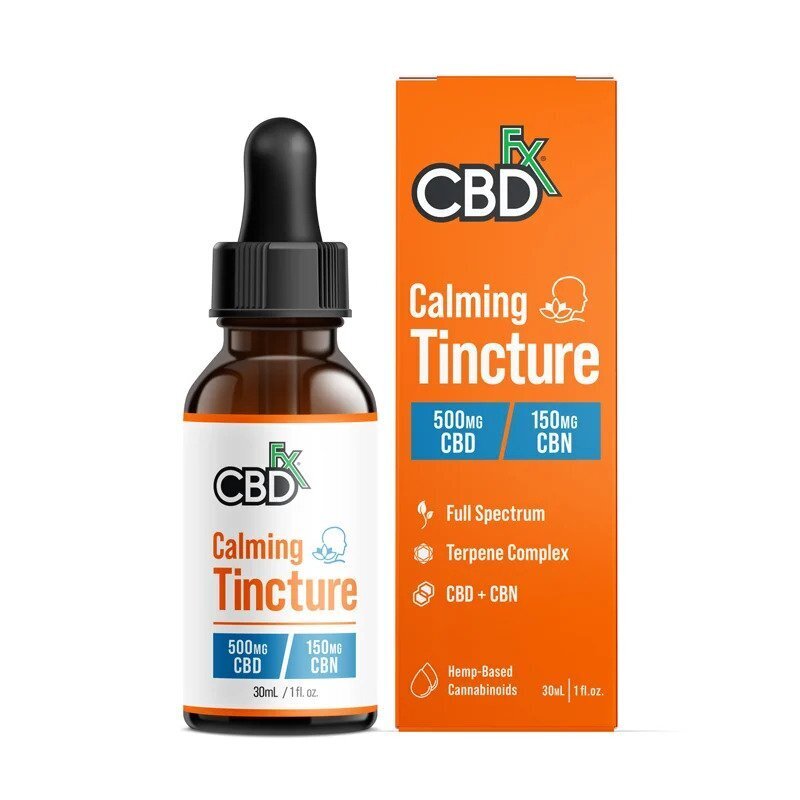
When we tried CBDfx, we found their setup especially simple. You pick a strength (500mg, 1000mg, or 1500mg) of full-spectrum extract and go from there.
The straightforward lineup is appealing. The only downside we noticed is flavor: all their standard tinctures come in a single natural hemp flavor. That works fine for some people, but others describe it as too “earthy,” which can be off-putting.
What really impressed us was their CBD + CBG tincture. This blend is available in high-potency options (some formulations go up to 4000mg CBD paired with CBG), offering more than a typical tincture.
Cannabigerol (CBG) is another cannabinoid in hemp that many users and early research suggest may support mood balance, inflammation reduction, and general wellness. Because of this synergy, some reviews include the CBD + CBG tincture among their picks for the best CBD oil for pain.
If you want a simple, clean full-spectrum dropper or a stronger multi-cannabinoid option, CBDfx gives both in one place. This makes it a solid contender if you’re exploring sensitive-to-taste or high-intensity tinctures.
BEST FORMULAS
CBDistillery
Specifications
Extract Type
Type of extract, dependent on the cannabis plant component present in the product.
Full-spectrum, Broad-spectrum, and Isolate
Total CBD Range
The CBD amount available for a product option.
250mg - 5,000mg
Potency Range
Potency of the product, can also be called "strength".
8.33mg - 166.66mg per serving
Price Range
Price range of applicable products.
$5.99 - $79.99
Value ($/mg)
Cost of CBD per milligram in dollars, used to calculate product value.
$0.05 - $0.11 per mg
THC Content
Amount of THC that is present in the product.
<0.3% (full-spectrum) or 0.0% (broad-spectrum and isolate)
Lab Report
The verified reports of a product's test results.
On individual product pages
Flavor Variations
Number of flavors offered by the product or brand.
1
Potency Variations
Number of potency variations offered by the product or brand.
Offers tinctures that incorporate CBG, CBN, and CBDa
Available in all three extraction types
60-day money-back guarantee
Cons
No flavor variations
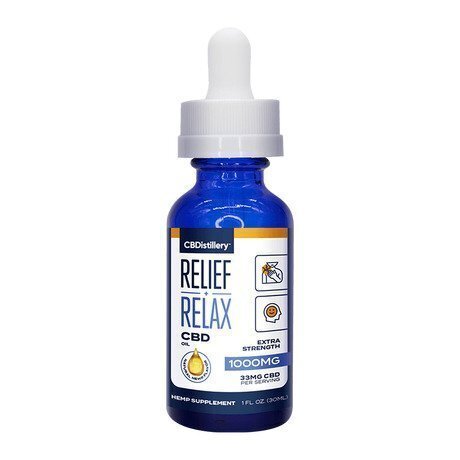
When we tested CBDistillery, we immediately noticed how many options they have. Their CBD tinctures come in multiple potencies and different extract types (full-spectrum, broad-spectrum, and isolates). That flexibility helps you choose the tincture that fits your lifestyle and wellness goals.
What we really like is how CBDistillery tailors certain blends for distinct needs. For example:
The CBD + CBN (cannabinol) oil aims at promoting restful sleep and supporting nighttime recovery.
Their CBD + CBG (cannabigerol) option could be useful if you’re looking to ease inflammation or support overall body balance.
Because of this range, CBDistillery stands out as a brand that doesn’t push “one-size-fits-all.” Instead, it gives you meaningful control, whether you’re searching for a gentle daily supplement, something to aid rest, or a more targeted blend for inflammation or stress relief.
BEST FULL-SPECTRUM
NuLeaf Naturals
Specifications
Extract Type
Type of extract, dependent on the cannabis plant component present in the product.
Full-spectrum
Total CBD Range
The CBD amount available for a product option.
300mg - 6,000mg
Potency Range
Potency of the product, can also be called "strength".
30mg per serving
Price Range
Price range of applicable products.
$38.50 - $1,953.40
Value ($/mg)
Cost of CBD per milligram in dollars, used to calculate product value.
$0.10 - $0.12 per mg
THC Content
Amount of THC that is present in the product.
<0.3%
Lab Report
The verified reports of a product's test results.
Offers a CBD Oil Discount Program tinctures in bundle pack to help you save
Free 2-3-day shipping within the U.S.
Cons
Only 1 flavor and potency variation
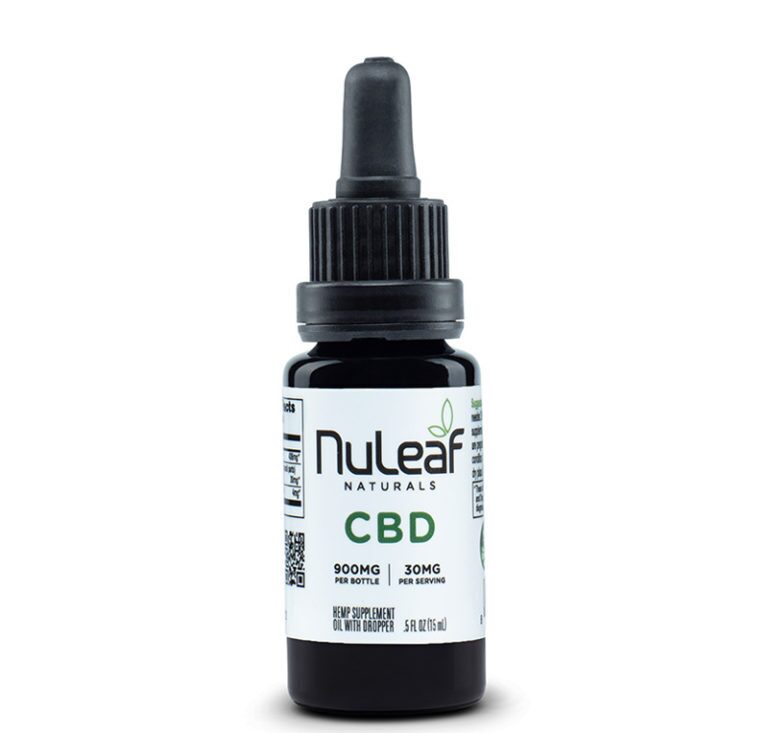
When we tested NuLeaf Naturals, the first thing that stood out was how focused the company is. They put nearly all their attention into CBD oil rather than spreading themselves across dozens of product types. The focus shows: their full-spectrum blend is clean, consistent, and reliably high-quality across every bottle size.
Instead of offering different potencies or flavors, NuLeaf Naturals gives you one strength and multiple bottle sizes: 5 mL, 15 mL, 30 mL, 50 mL, and 100 mL. You can buy single bottles or choose 2-packs and 3-packs for better pricing on a per-milligram basis. We found this lineup helpful for people who already know they like the formula and want to stock up without paying more than they need to.
The brand has earned more than 20,000 positive reviews on its website, and after trying it ourselves, we understand why it’s often included among the best CBD oils available.
The only drawback is the fixed potency. Each bottle contains the same 30mg serving. While that’s a middle-ground dose for many users, some might prefer a lighter or stronger option depending on their experience level or wellness needs.
BEST SLEEP FORMULA
Elixinol
Specifications
Extract Type
Type of extract, dependent on the cannabis plant component present in the product.
Full-spectrum, broad-spectrum
Total CBD Range
The CBD amount available for a product option.
300mg - 4,000mg
Potency Range
Potency of the product, can also be called "strength".
5mg - 33mg per serving
Price Range
Price range of applicable products.
$29.99 - $179.99
Value ($/mg)
Cost of CBD per milligram in dollars, used to calculate product value.
$0.04 - $0.16 per mg
THC Content
Amount of THC that is present in the product.
<0.3% (full-spectrum) or 0.0% (broad-spectrum)
Lab Report
The verified reports of a product's test results.
Developed in two formulations for daytime or nighttime use
Cons
Free shipping only available on orders of $50 or more
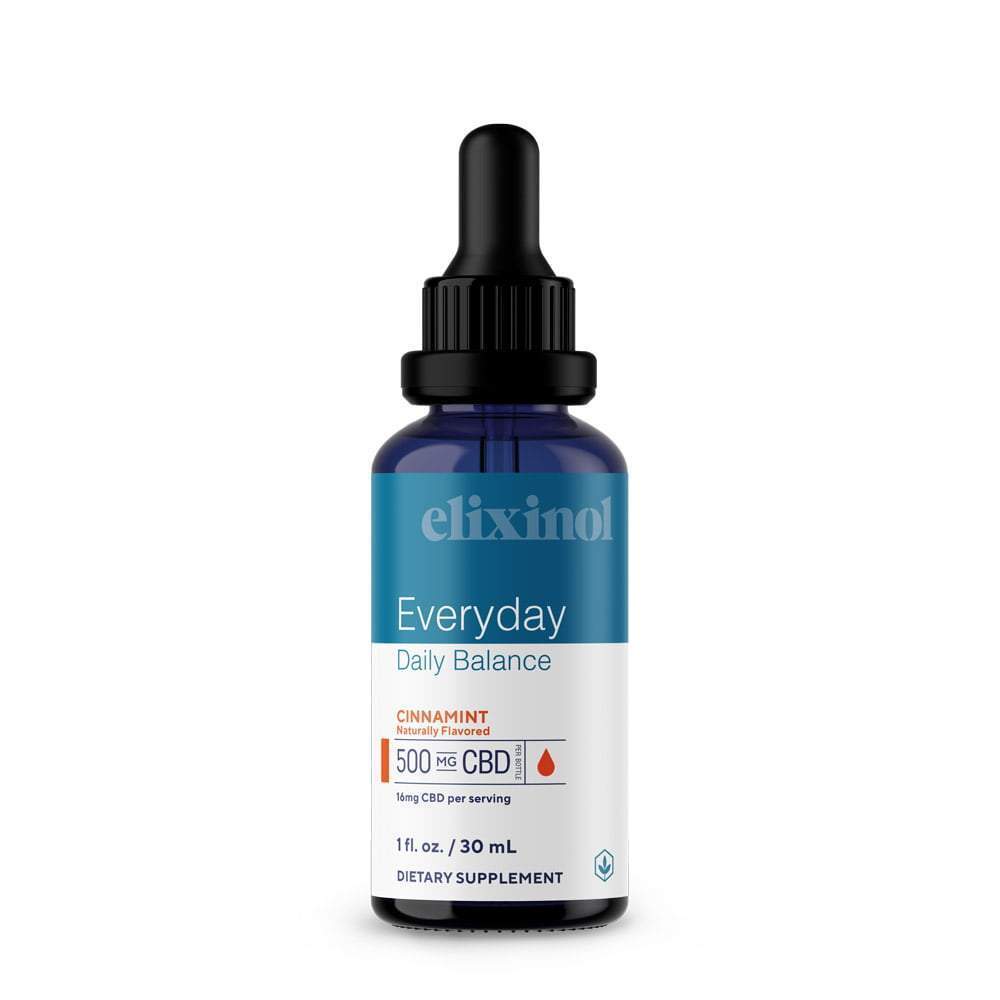
When we reviewed Elixinol, we were impressed by how clearly they separate their daytime and nighttime CBD options. Their lineup makes it easy to choose a tincture that fits the way you use CBD throughout the day.
Their Everyday Balance CBD oil is the standout. It comes in 500mg, 1000mg, and an extra-strength 4000mg option, all made with full-spectrum hemp extract. You can choose between Natural or Cinnamint flavor, both taste clean without being overpowering.
If you’re specifically looking for a THC-free CBD oil, Elixinol also offers a broad-spectrum version of this formula. This removes THC while keeping other helpful plant compounds intact.
Elixinol also impressed us with its Sleep Rapid Rest blend. This tincture combines CBD with CBN, chamomile, and lemon balm. We found this mix calming during nighttime use. Early user feedback and emerging research suggest this blend may help reduce stress and support deeper, more consistent sleep.
If you want a daytime tincture for balance or a nighttime option that encourages relaxation, Elixinol gives you a simple and reliable way to build both into your routine.
BEST STRENGTH
FOCL
Specifications
Extract Type
Type of extract, dependent on the cannabis plant component present in the product.
Broad-spectrum
Total CBD Range
The CBD amount available for a product option.
1,000mg - 3,000mg
Potency Range
Potency of the product, can also be called "strength".
33mg - 100mg per serving
Price Range
Price range of applicable products.
$59.00 - $119.00
Value ($/mg)
Cost of CBD per milligram in dollars, used to calculate product value.
$0.04 - $0.09 per mg
THC Content
Amount of THC that is present in the product.
0.0%
Lab Report
The verified reports of a product's test results.
On individual product pages
Flavor Variations
Number of flavors offered by the product or brand.
5
Potency Variations
Number of potency variations offered by the product or brand.
All CBD oils are doctor-formulated and third-party tested
Can be purchased in bundle packs to help you save
Free 2-3 day shipping on all orders
Cons
Higher strengths may not be ideal for newcomers
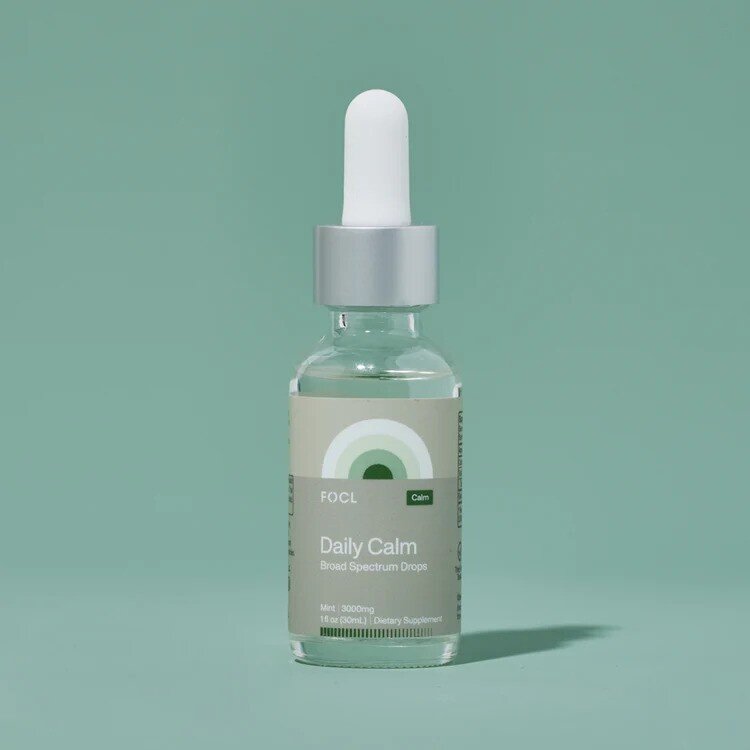
When we tested FOCL’s CBD Drops, the first thing that stood out was the value.
Their tinctures range from 1000mg to 3000mg, and the cost breaks down to roughly $0.04-$0.06 per milligram. This is easily some of the best pricing we’ve seen for high-potency CBD oils. If you’re watching your budget but still want strong, consistent effects, FOCL delivers solid value across all strengths.
Each potency is available in five flavor options: Natural, Mint, Orange Cream, Cherry, and Strawberry Lemonade. We appreciated having choices that go beyond the typical hemp or mint profile, especially for people who prefer something smoother or sweeter. FOCL also lets you mix and match flavors through their CBD oil bundles, which can help you save more if you’re planning to test multiple formulas.
FOCL recently released their Sleep Drops, too, and we found them noticeably calming. The blend combines CBD with CBN, lavender, peppermint, and stevia. Paired with their FOCL Night Capsules, this formula can support a more restful bedtime routine, especially if stress or an overactive mind tends to keep you up.
If you’re looking for high-strength tinctures at fair prices, a variety of flavors, and a dedicated sleep option, FOCL’s lineup gives you plenty of ways to build the right wellness setup.
BEST STRENGTH
FIVE CBD
Specifications
Extract Type
Type of extract, dependent on the cannabis plant component present in the product.
Full-spectrum
Total CBD Range
The CBD amount available for a product option.
1,500mg - 6,000mg
Potency Range
Potency of the product, can also be called "strength".
50mg - 100mg per serving
Price Range
Price range of applicable products.
$49.99 - $174.99
Value ($/mg)
Cost of CBD per milligram in dollars, used to calculate product value.
$0.03 per mg
THC Content
Amount of THC that is present in the product.
<0.3%
Lab Report
The verified reports of a product's test results.
Incorporates a high-quality full-spectrum blend to ensure the entourage effect
Made using 100% all-natural ingredients
Cons
Higher strengths may not be ideal for newcomers
Free shipping not available
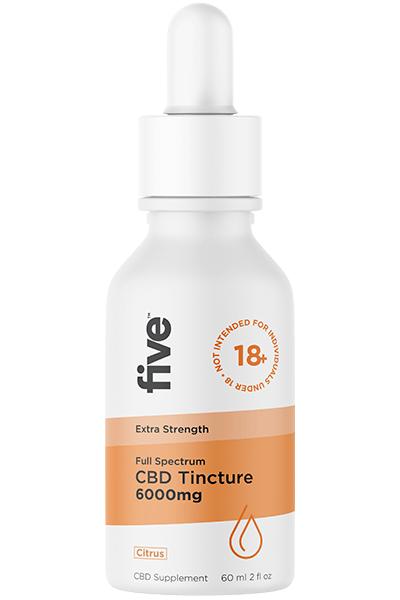
After trying FIVE CBD’s full-spectrum oils, we were impressed by both the potency and flavor. Each tincture comes in three strengths (1500mg, 3000mg, and 6000mg) and two flavors: Citrus and Mint Chocolate. The flavors are smooth and pleasant, making the drops easy to take without the harsh, earthy taste that some full-spectrum oils have.
Because of the high-quality extract, we found these tinctures to be reliably effective. Even at the lowest strength, we noticed a gentle sense of calm and focus. With the mid and high-strength options, the effects were more pronounced, helping us feel physically relaxed, mentally balanced, and ready to handle stress or discomfort more easily. Users also reported potential benefits for pain, sleep, and anxiety, which aligns with our experience.
With these high-potency options, FIVE CBD ensures there’s a dependable solution for a variety of wellness needs, whether you’re easing daily stress, managing mild discomfort, or improving sleep.
BEST FORMULAS
Medterra
Specifications
Extract Type
Type of extract, dependent on the cannabis plant component present in the product.
Broad-spectrum and Isolate
Total CBD Range
The CBD amount available for a product option.
500mg - 3,000mg
Potency Range
Potency of the product, can also be called "strength".
40mg - 80mg per serving
Price Range
Price range of applicable products.
$34.99 - $132.99
Value ($/mg)
Cost of CBD per milligram in dollars, used to calculate product value.
$0.04 - $0.06 per mg
THC Content
Amount of THC that is present in the product.
0.0%
Lab Report
The verified reports of a product's test results.
Website and product selection can be difficult for new users to navigate
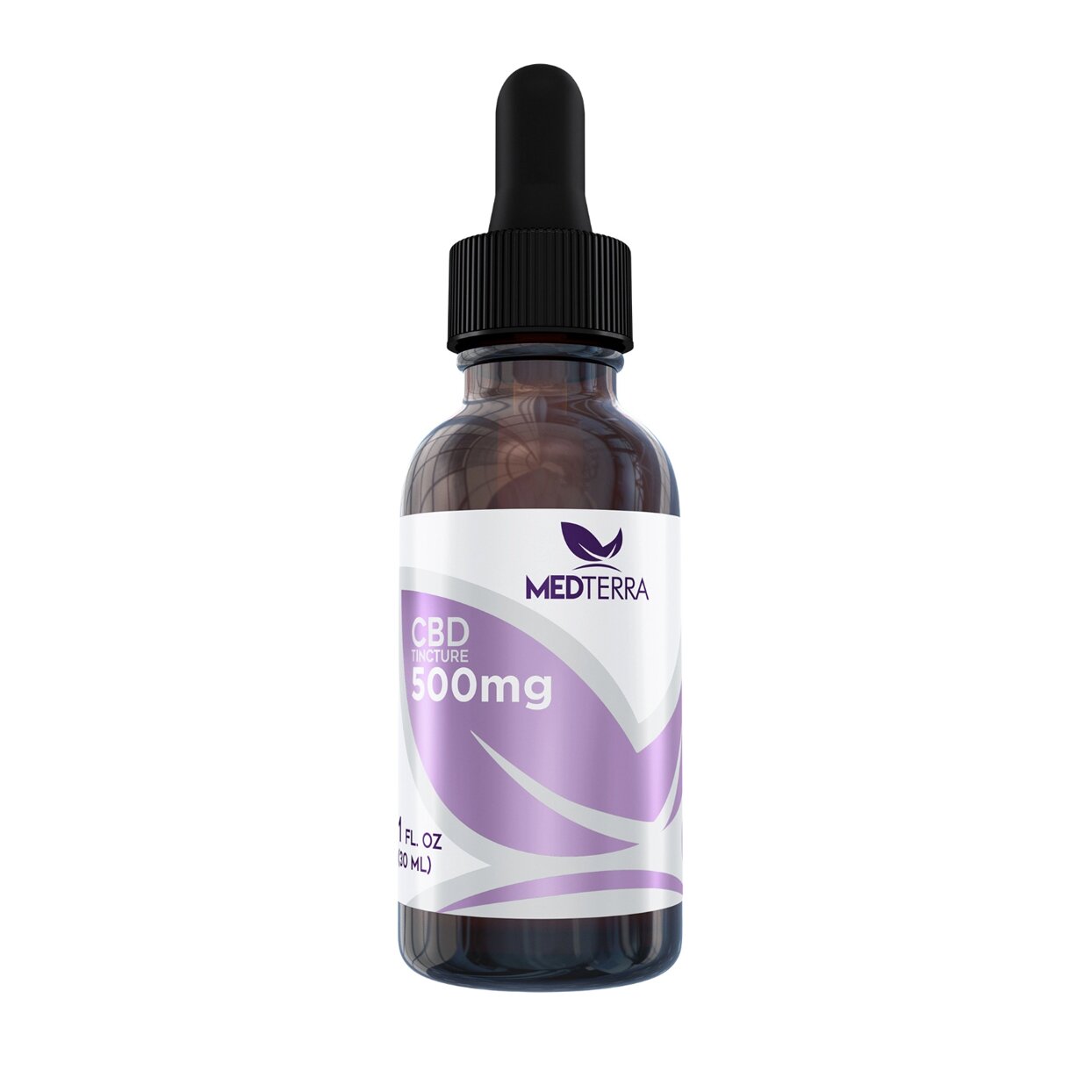
When we explored MedTerra’s offerings, we noticed immediately how their selection stands out. They provide both broad-spectrum and CBD isolate oils, giving you the flexibility to choose based on your preferences. Each type comes in strengths ranging from 500mg to 3000mg, and all share the same appealing flavors: Citrus, Strawberry Mint, or Unflavored. The taste is smooth and approachable, making it easy to incorporate into a daily routine.
We were particularly intrigued by Medterra’s CBD + CBG oil. This tincture delivers CBD and CBG in a 1:1 ratio, so each dose provides equal amounts of both cannabinoids. In our experience, this combination felt more balanced than standard CBD oils, supporting a sense of calm and overall wellness.
MedTerra also offers a “CBD Immune Boost” tincture. Like their other oils, it comes in the same flavors but adds natural ingredients like Elderberry, Vitamin C, Ginger Root, Ashwagandha, Reishi Mushroom, and Lemon Balm. We found this blend refreshing and felt that it could be a great addition for anyone wanting to support their immune system alongside daily CBD use.
For anyone new to cannabidiol or looking for a flexible, well-formulated option, MedTerra stands out as one of the best CBD oils brands on the market.
cbdMD
Specifications
Extract Type
Type of extract, dependent on the cannabis plant component present in the product.
Broad-spectrum
Total CBD Range
The CBD amount available for a product option.
300mg - 7,500mg
Potency Range
Potency of the product, can also be called "strength".
10mg - 250mg per mL
Price Range
Price range of applicable products.
$29.99 - $339.99
Value ($/mg)
Cost of CBD per milligram in dollars, used to calculate product value.
$0.04 - $0.09 per mg
THC Content
Amount of THC that is present in the product.
0.0%
Lab Report
The verified reports of a product's test results.
One of the lower price points for CBD oil on our list
Free 2-3 day shipping on all orders
Cons
Stronger tinctures (5,000mg and 7,500mg) have less flavor varieties
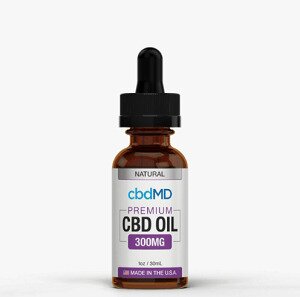
One thing we appreciated about cbdMD is their focus on accessibility. They price their products lower than many competitors, but that doesn’t mean they compromise on quality. Each tincture maintains the high standards that have made cbdMD a trusted name in the industry.
Their tinctures are made with broad-spectrum organic hemp extract and come in a variety of natural flavors: Berry, Mint, Orange, and Natural. We found the flavors smooth and easy to take, which makes incorporating CBD into your routine simple and enjoyable.
Potency options are extensive, ranging from 300mg to 3,000mg per bottle. For those who need an extra-strong dose, cbdMD also offers 5,000mg and 7,500mg options, though only in Natural and Berry flavors. In our experience, even mid-strength bottles deliver noticeable effects, helping with relaxation, stress management, and overall wellness.
For anyone looking for a nighttime solution, cbdMD’s PM tincture stood out to us. It combines CBD with natural sleep-supporting ingredients, and based on our testing and research, we consider it one of the best CBD oils for sleep.
Lazarus Naturals
Specifications
Extract Type
Type of extract, dependent on the cannabis plant component present in the product.
Full-spectrum and Isolate
Total CBD Range
The CBD amount available for a product option.
300mg - 6,000mg
Potency Range
Potency of the product, can also be called "strength".
20mg - 50mg per serving
Price Range
Price range of applicable products.
$12.00 - $120.00
Value ($/mg)
Cost of CBD per milligram in dollars, used to calculate product value.
$0.02 - $0.04 per mg
THC Content
Amount of THC that is present in the product.
<0.3% (full-spectrum) or 0.0% (isolate)
Lab Report
The verified reports of a product's test results.
On individual product pages
Flavor Variations
Number of flavors offered by the product or brand.
7
Potency Variations
Number of potency variations offered by the product or brand.
Redeem code lazarusnaturals for 15% off your purchase
Pros
Offers both a full-spectrum blend and a THC-free, CBD-isolate blend
Cheapest product on our list (on a price per milligram (mg) basis)
Cons
Flavors and potencies are mixed-matched - not all flavors can be purchased in Lazarus Naturals’ variety of potencies
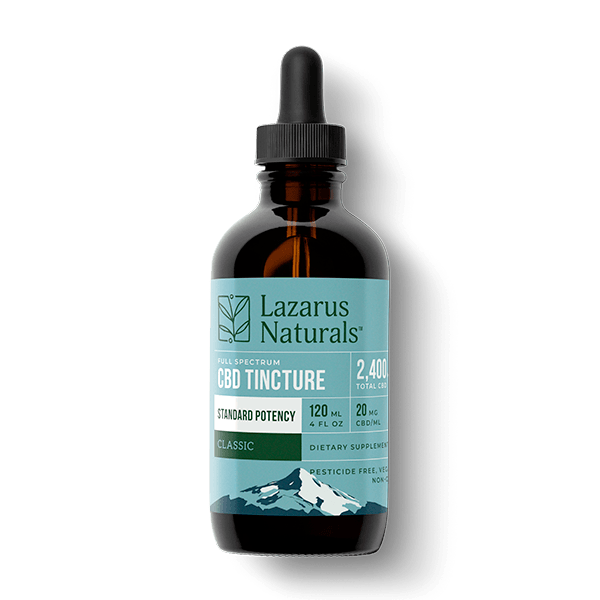
Lazarus Naturals stands out because they offer both full-spectrum and CBD isolate tinctures. Each blend comes in either standard potency (300mg-2400mg) or high potency (750mg-6000mg), giving users flexibility based on their experience and wellness goals.
We noticed that potency and flavor are often linked. Some flavors are only available in standard strengths, while others are reserved for high-potency bottles. While this might limit choice for certain preferences, the variety of flavors more than makes up for it. Unique options like French Vanilla, Blood Orange, Chocolate Mint, Wintermint, and Strawberry Hibiscus provide a refreshing alternative to typical hemp flavors.
For anyone exploring different strengths and flavors, we recommend checking Lazarus Naturals’ website to see which combinations are available. They also offer sample packs that include a tincture and other CBD products, which we found helpful for newcomers trying to find the consumption method that works best for them.
Plus, you can use our Lazarus Naturals coupon to save on these products, making it an even better time to test out their lineup.
How does CBD oil work in the body?
Researchers are still studying exactly how CBD interacts with the body, but current evidence points to its relationship with the endocannabinoid system (ECS). ² The ECS helps regulate essential functions such as mood, sleep, appetite, memory, immune response, and overall balance.
Cannabinoid Receptors – These receptors sit on cells throughout the body and help regulate signals related to pain, mood, and inflammation.
Endocannabinoids – Compounds the body naturally produces to support internal functions.
Enzymes – Proteins that break down endocannabinoids once they’ve done their job.
Two receptor types are especially important:
CB1 Receptors – Found mainly in the central nervous system and tied to memory, mood, appetite, and pain signaling.
CB2 Receptors – Found in the peripheral nervous system and linked to immune function and inflammation.
Phytocannabinoids like CBD and THC share a similar structure to the endocannabinoids produced by the body. Because of this similarity, they can influence the same biological pathways. However, CBD behaves differently from THC. It doesn’t strongly bind to CB1 or CB2 receptors. Instead, research suggests that CBD interacts with other receptor sites, including GPR55, and may influence how the body’s own endocannabinoids bind to ECS receptors.
These interactions are part of why CBD is being studied for its potential therapeutic effects. As research expands, scientists hope to understand more about how CBD supports the body’s natural systems and why many people use it as part of their wellness routine when evaluating the best CBD oils for everyday use.
Potential Benefits of the Best CBD Oils on the Market
Research on CBD is still developing, and the FDA has only approved one CBD-based medication (Epidiolex) for specific seizure disorders. Because of this, it’s difficult to make firm claims about how effective CBD oils are for any health condition. Dosing guidelines also remain unclear, as people respond differently depending on factors like body weight, metabolism, and the symptoms they’re trying to manage.
Despite these limits, many people use CBD as part of their routine for issues related to stress, sleep, inflammation, or mood. In states with more supportive wellness communities (such as California, Texas, and Florida), CBD has become a common tool people turn to for everyday mental and physical strain.
How Can CBD Reduce Pain Transmission?
CBD has been studied for its potential anti-inflammatory, antioxidant, and analgesic properties. These properties appear to connect back to how CBD interacts with the endocannabinoid system (ECS), which plays a role in managing inflammation and neurotransmitter activity. ³
Early findings suggest CBD may help with: ⁴ ⁵
Nerve pain
Pain linked to inflammation
Chronic conditions such as arthritis or multiple sclerosis (MS)
A 2020 review noted that CBD showed promise for chronic pain, sleep issues, and inflammation. However, the results were condition-specific, meaning CBD may not work the same way for mild or acute pain caused by an injury. ⁶
Can You Use CBD Oil for Anxiety?
Some early studies suggest CBD may support people dealing with anxiety. A 2015 review found that CBD interacts with ECS pathways linked to fear and stress responses. ⁷ Based on these findings, researchers have observed potential benefits for:
Generalized anxiety disorder (GAD)
Post-traumatic stress disorder (PTSD)
Panic disorder
Obsessive-compulsive disorder (OCD)
Social anxiety disorder (SAD)
More recently, a 2020 study tracked 397 adults with anxiety. After three weeks of CBD use, participants reported improvements in both anxiety and depression symptoms. ⁸
How Can CBD Oil Help with Seizures?
CBD has the strongest research foundation in the area of seizure support. Epidiolex, the only FDA-approved CBD medication, is prescribed for certain rare and severe forms of epilepsy. ⁹
Clinical research continues to grow. For example, one study on people with Dravet syndrome found that taking 20 mg/kg of Epidiolex significantly reduced seizure frequency compared to a placebo. ¹⁰
What is the Right CBD Oil Dosage?
Because CBD isn’t FDA-approved for general use, there’s no universal dosage standard. Most reputable brands include a suggested serving size on the label, which is the safest place to start. If you don’t notice any effects after consistent use, you can increase your dose slowly until you find the amount that works for you.
Your ideal dose depends on several factors:
Potency of the CBD oil – Higher-strength formulas usually require smaller amounts.
Body weight – Heavier individuals may need slightly more CBD than lighter individuals.
Your goals – Some people take CBD for daily mood support, while others use it for discomfort or sleep.
You can refer to our weight-based dosage chart to help you estimate a starting range. If you’re unsure where to begin, start low, track how you feel, and adjust as needed.
Body Weight
Average CBD Dose
100 lbs
30mg
125 lbs
38mg
150 lbs
45mg
175 lbs
52mg
200 lbs
60mg
225 lbs
67mg
250 lbs
75mg
How Do You Take CBD Oil?
Shake the bottle.
Give the bottle a quick shake to ensure the cannabinoids are evenly distributed throughout the oil.
Measure your dose.
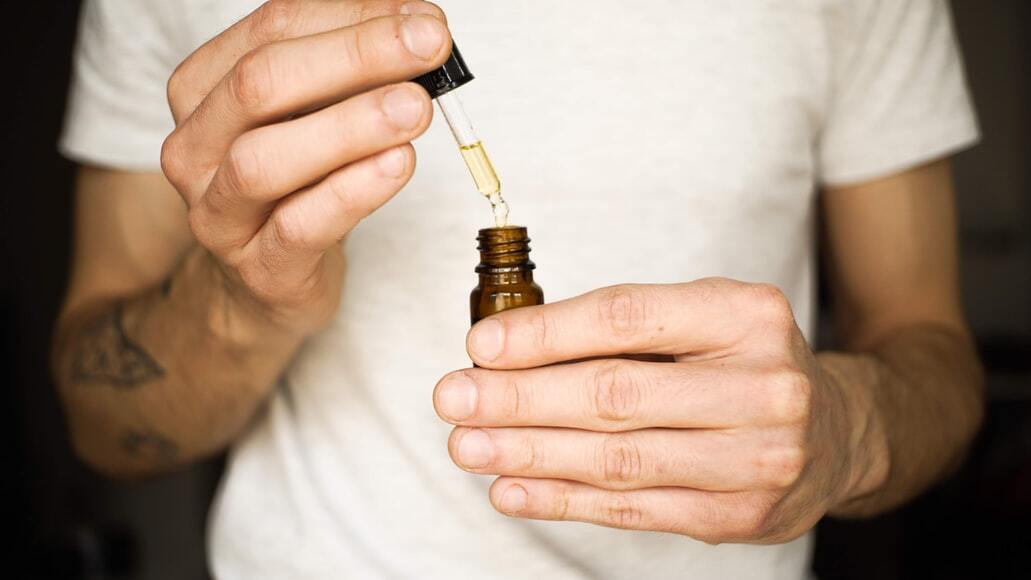
Use the dropper to pull up the recommended amount. Most CBD oils call for one full dropper, but some formulas suggest half.
Place the oil under your tongue.
Lift your tongue slightly and dispense the oil underneath. This sublingual area allows for faster absorption.
Hold for 30 seconds.
Let the oil sit under your tongue for about 30 seconds. This improves bioavailability and helps more CBD enter your bloodstream.
Swallow the rest.
After holding, swallow the remaining oil. You can sip water afterward if the flavor is too strong.
Observe how you feel.
Give your body time to respond. Some people feel effects within minutes, while others notice changes gradually.
Potential Side Effects of CBD Oil
ICBD is generally considered safe, but it isn’t risk-free. If you’re taking prescription medication, it’s important to talk to your doctor before adding CBD to your routine. Some medications (especially those metabolized by the liver) may interact with cannabinoids, altering how your body metabolizes them.
Even for people who aren’t on medication, CBD can cause mild side effects. These reactions are uncommon, but it’s helpful to know what to watch for: ¹¹
Pregnant or breastfeeding individuals should avoid CBD altogether. Current research is limited, and the FDA advises caution because the long-term effects of CBD exposure during pregnancy and lactation remain unknown. ¹²
Is CBD Oil Legal?
Yes. CBD oil derived from hemp is legal at the federal level in the United States. The 2018 Farm Bill removed hemp and its cannabinoids from the Controlled Substances Act, allowing licensed brands to produce and sell CBD products nationwide. This federal shift is the main reason the market has grown so quickly over the past few years.
However, CBD oil still isn’t approved by the FDA for general health use, and agencies don’t recommend it as a treatment for medical conditions. Brands can legally sell CBD, but they cannot make medical claims.
State laws also play a major role. Each state can set its own rules on how CBD is manufactured, sold, or purchased. While CBD oil is legal in all 50 states, some (like Idaho or South Dakota) have stricter guidelines on THC content, testing requirements, and product labeling. It’s best to review your state’s current regulations to understand what’s permitted where you live.
In regions where cannabis is fully legalized (such as Canada or certain U.S. states), you’ll find CBD oils that contain more THC. Some products may offer balanced ratios, like 1:1 CBD to TC, for users who prefer a stronger therapeutic profile.
Choosing the Best CHEAP CBD Oil: How to Differentiate Good from Bad
Because the CBD industry isn’t regulated by the FDA, ensuring product quality is essential. To identify the best CBD oils and the most trustworthy brands, several key criteria can help separate high-quality options from products that may fall short.
Certificate of Analysis (CoA)
Reliable CBD companies prioritize product safety and transparency. They submit every batch to third-party laboratory testing to verify cannabinoid content and check for contaminants such as heavy metals, pesticides, and residual solvents. Consumers should always look for brands that make these lab reports easily accessible.
Hemp Source
Quality CBD starts with quality hemp. The best products come from organically grown, domestically sourced hemp cultivated under strict agricultural standards. Brands that oversee production “from seed to sale” typically maintain higher consistency and purity.
Ingredients
Most CBD oils contain only a few components: a carrier oil (such as MCT coconut oil or hemp seed oil), hemp extract, and natural flavoring. It’s important to choose formulas made with clean, all-natural ingredients that align with dietary needs and avoid allergens.
Extract Type
CBD is available in three extract types: full-spectrum, broad-spectrum, and isolate. A well-rounded marketplace includes all three, allowing consumers to select the option that best fits their personal preferences and wellness goals.
Potency
A broad range of potencies ensures that both beginners and experienced users can find an appropriate strength. Potency is typically expressed in milligrams (mg) on the product label, offering insight into how strong the oil is and how many cannabinoids it contains.
Pricing
Price alone doesn’t determine quality, but it can offer useful context. Higher-priced CBD oils often reflect superior ingredients, better sourcing practices, and more advanced extraction methods. While affordability is important, extremely cheap CBD oils may cut corners on purity, potency, or testing.
Is CBD Oil Right For You?
Determining whether CBD is the right choice often requires personal experimentation. Many users report meaningful relief and improved well-being, while others notice little to no effect. Because CBD is generally considered safe and carries minimal side effects, it may be worth exploring, especially for individuals who haven’t found success with other approaches.
However, anyone currently taking prescription medication should speak with a healthcare professional before trying CBD. Although uncommon, CBD can interact with certain medications, making medical guidance essential for safe use. ¹³
People Also Ask…
Which form of CBD is most effective?
Full-spectrum CBD (especially in higher milligram strengths) is often considered the most effective due to the entourage effect. Still, how you take CBD oil plays a major role. Holding the oil under your tongue for about 30 seconds before swallowing allows more cannabidiol to absorb into your bloodstream, leading to stronger and more efficient effects.
What strength CBD oil should you buy?
For beginners, lower potencies (250mg to 1000mg total CBD) are typically a good starting point. Regular users, or those who have developed a tolerance, may benefit from higher strengths, usually 1500mg and above.
What is the downside of CBD oil?
CBD oil can cause mild side effects in some people, most commonly fatigue or drowsiness, which may interfere with daily activities. Because of this, newcomers may want to start by taking CBD oil at night to gauge how it affects them.
Additionally, CBD oil is less convenient for on-the-go use compared to gummies or capsules. Even so, it remains one of the most effective delivery methods for absorbing cannabidiol.
Paul James is a seasoned cannabis and CBD writer and expert. He is a mental health blogger who advocates CBD as a natural alternative to prescription medications. You can read more about this and other natural alternatives on his blog: https://bedlamite.co/."
Best CBD Oil FAQs
Our list above offers 15 of the top CBD companies and best CBD oil currently on the market. While we recommend you start with a company from this list, there are numerous other CBD brands you can choose from online. You can also purchase CBD oil from several physical locations, including cannabis dispensaries, tobacco shops, and even some gas/supermarkets.
Currently, the FDA only approves of a CBD-derived medication called Epidiolex for epilepsy. However, self-reports have claimed CBD has helped people with several medical conditions, including anxiety, inflammation, depression, pain, sleep, and nausea.
For most CBD oils, you’ll want to fill a dropper and place it under your tongue. Hold it there for about 30 seconds to increase absorption, then swallow.
Most products recommend taking a full dropper as a serving size. However, you can adjust your dose by taking less than that (half a dropper) or more (a dropper and a half).
CBD is very safe when compared to other all-natural supplements. However, it may have negative drug interactions with certain medications. For this reason, we recommend seniors consult their doctor before taking CBD oil.
CBD oil’s effects should be felt within 15 to 30 minutes upon ingestion. However, when it comes to joint pain, many people find a CBD topical is more efficient as it allows them to target specific joints.
When it comes to garnering CBD’s effects, CBD oil is a much better option as it contains an extract. On the other hand, hemp oil contains hardly any CBD oil as it’s made using cold-pressed hemp seeds. However, hemp oil does contain omega-rich culinary oil which may have nutritional benefits.
If you plan on taking CBD oil for sleep, you’ll prefer taking it an hour before bedtime. However, if you’re using CBD oil for stress and anxiety, you’ll likely find it more beneficial to take in the morning. The time of day you take CBD oil depends on what you’re looking for from the supplement.
The best way to see the quality of your CBD oil is to make sure it comes with a Certificate of Analysis (CoA). These are third-party lab reports concerning the quality of CBD and its potential contaminants. A high-quality brand will make these transparent on their website.
The best CBD oil for anxiety is likely a lower strength (between 250mg to 750mg) that may also incorporate other anti-anxiety supplements, such as passionflower, rhodiola, and valerian root.
When purchasing CBD oil, you should look at the strength, lab reports, and other customer reviews to get a sense of the quality and safety.
All the CBD oils on our list may help act as an anti-inflammatory. However, some find CBD topicals to be more efficient for inflammation as they allow you to target specific areas of the skin.